
Internet Built for the Future
Fast WiFi isn't magic. It takes hard work and a crew that can tackle projects with efficiency. We use a variety of tools and processes to provide solid internet service for our customers.
Great for
- Work from home
- Streaming
- Gaming
- Smart homes
Fiber Implemented Locally. Installed Professionally.
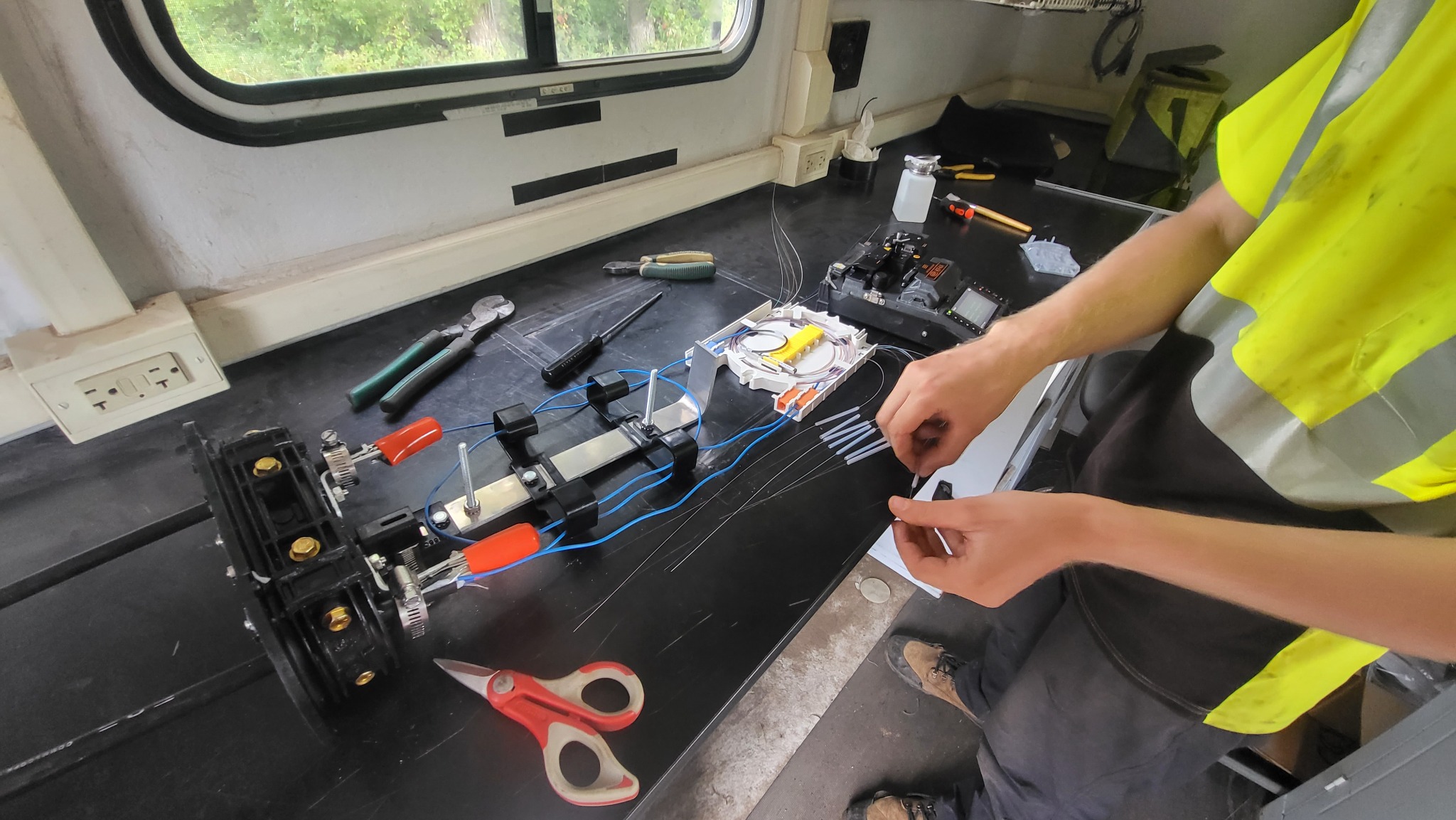
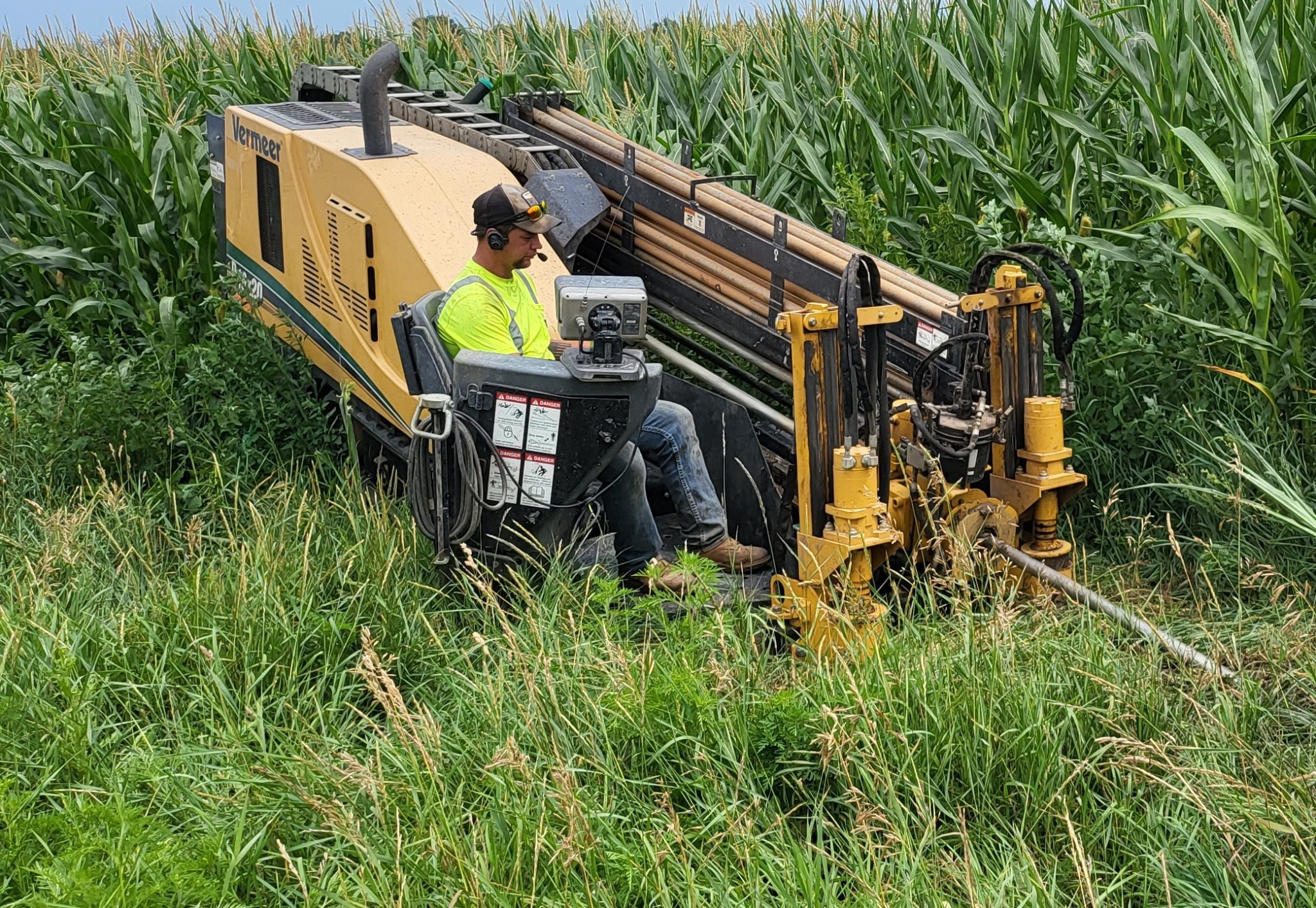
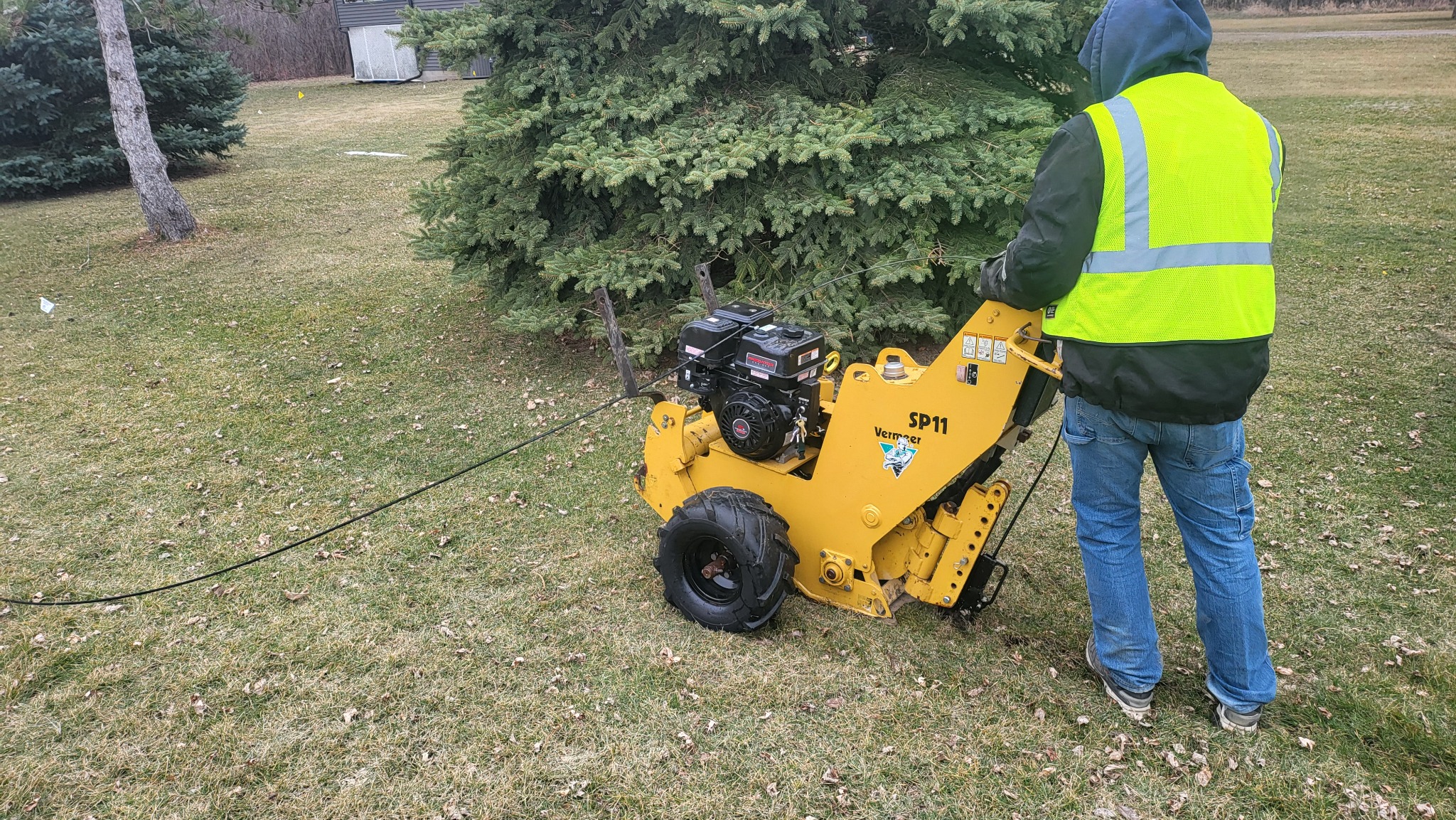
Fiber uses light to transfer data. It is installed by burying cable and conduit in the right of way. Sometimes the cable needs to be brought under roadways and driveways to make its way to your home. This is usually done via a directional drill. Cable is also installed with a vibratory plow which shakes a cable in to the ground. Once the cable is installed it must be accessed via what is called a handhole or pedestal. Cables must also be connected together via splicing. Special trailers which give us the ability to connect the delicate bare fibers together in a lit, clean, safe environment are parked near the right of way to complete the connection. If you see us working in your neighborhood to install service, know that we intend to restore the ground back to the original grade once work is complete.
Fixed Wireless. Powered by Fiber.
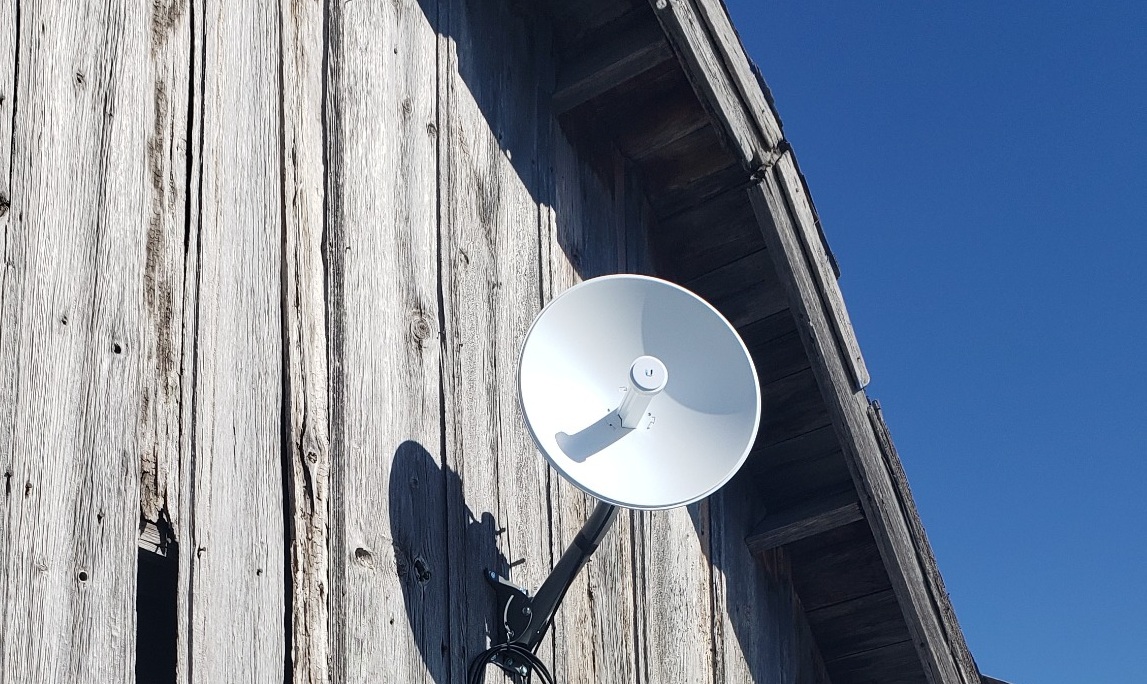
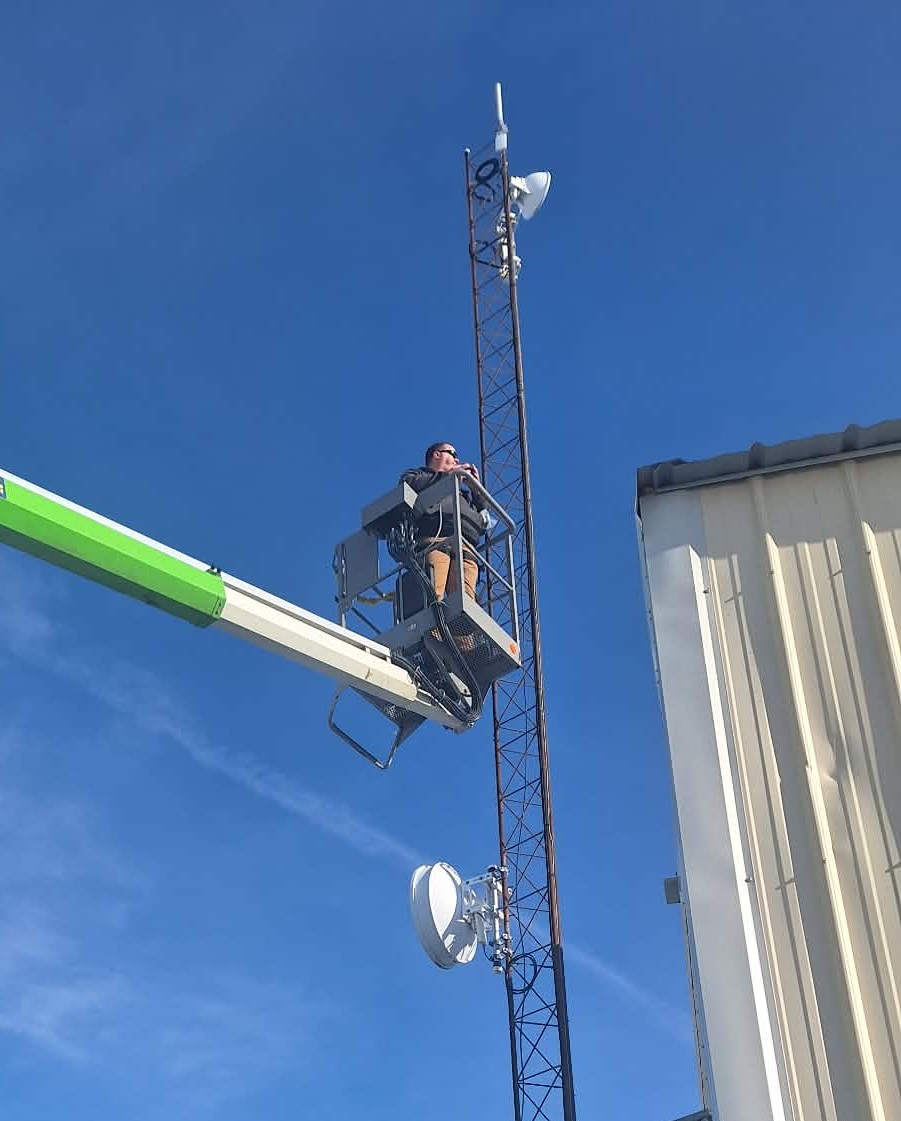
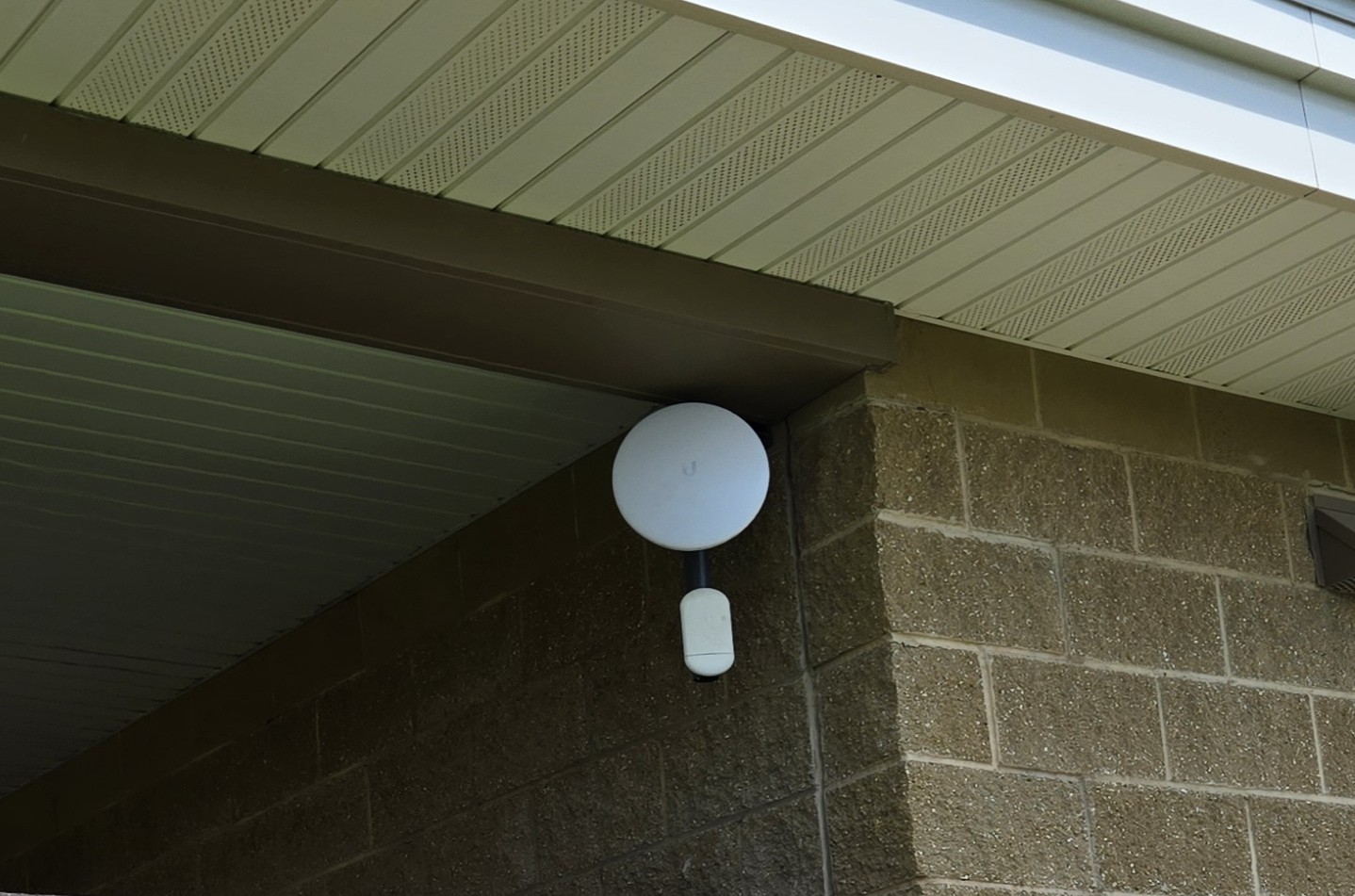
Fixed wireless uses radio waves to communicate rather than light. A tall site or tower within a clear line of sight to your home transmits a signal that can be picked up by a receiver. This receiver is installed on or near your home and connected to a router which provides WiFi. This method is highly reliable with great uptime and solid latency because it is an engineered link. Compared to unreliable mobile networks with omnidirectional receivers, fixed wireless signals do not vary as greatly as mobile networks resulting in a far better experience during their use. Fixed wireless also has the advantage of providing a backup to fiber since its design is more resilient to fiber cuts and backhaul disruptions.